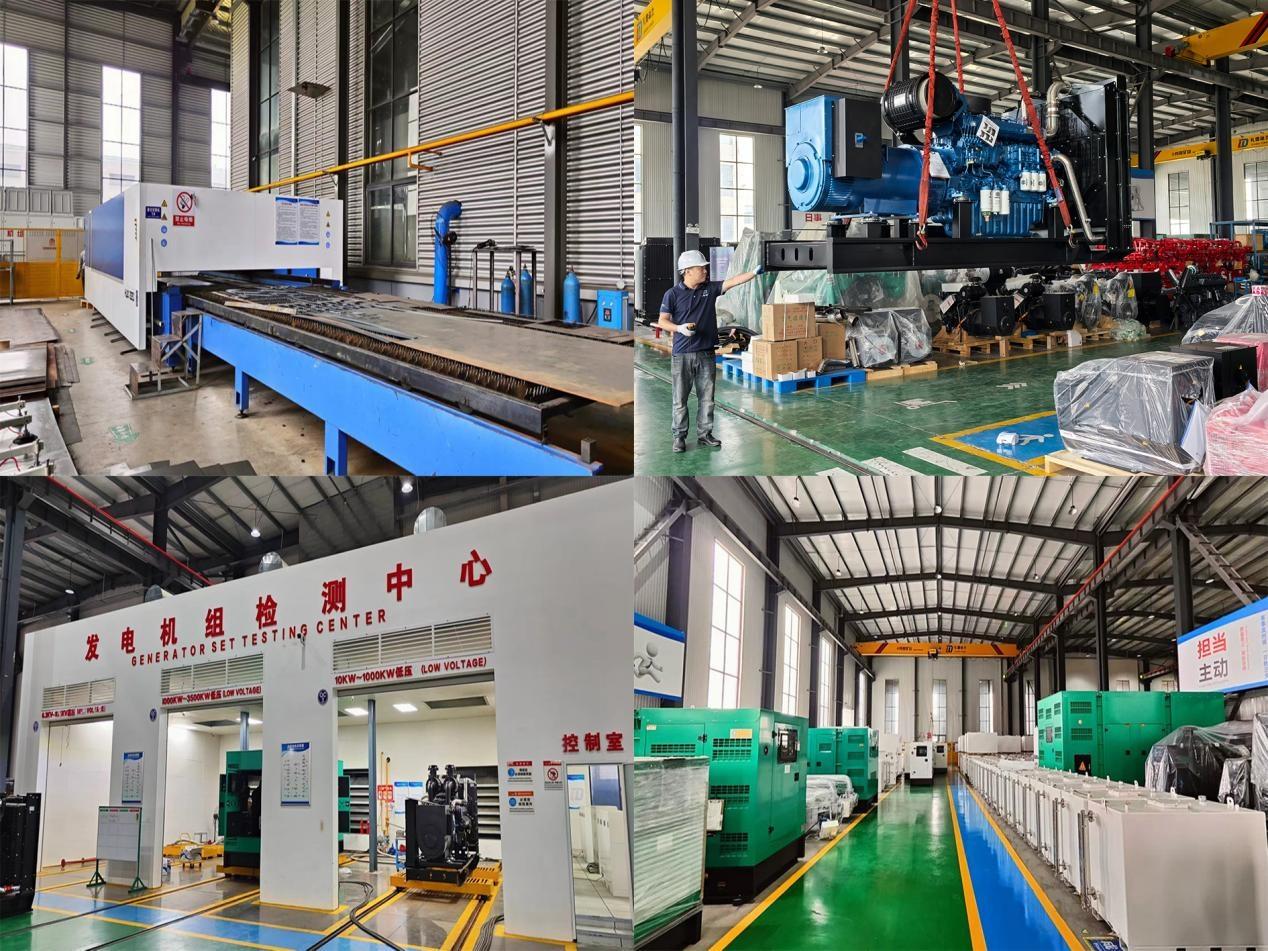
What Are Landfill Gas Generators?
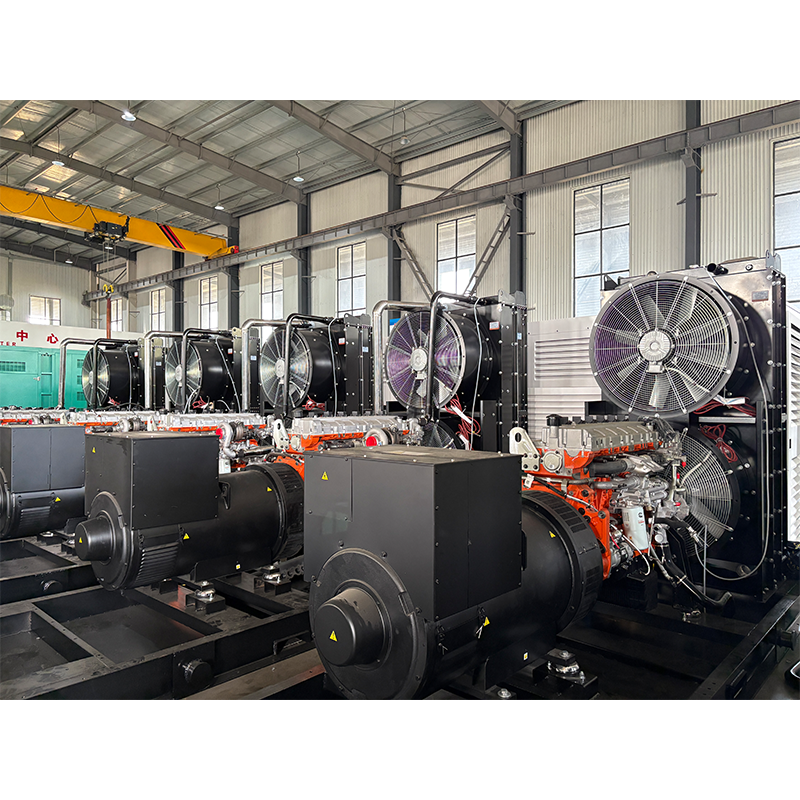
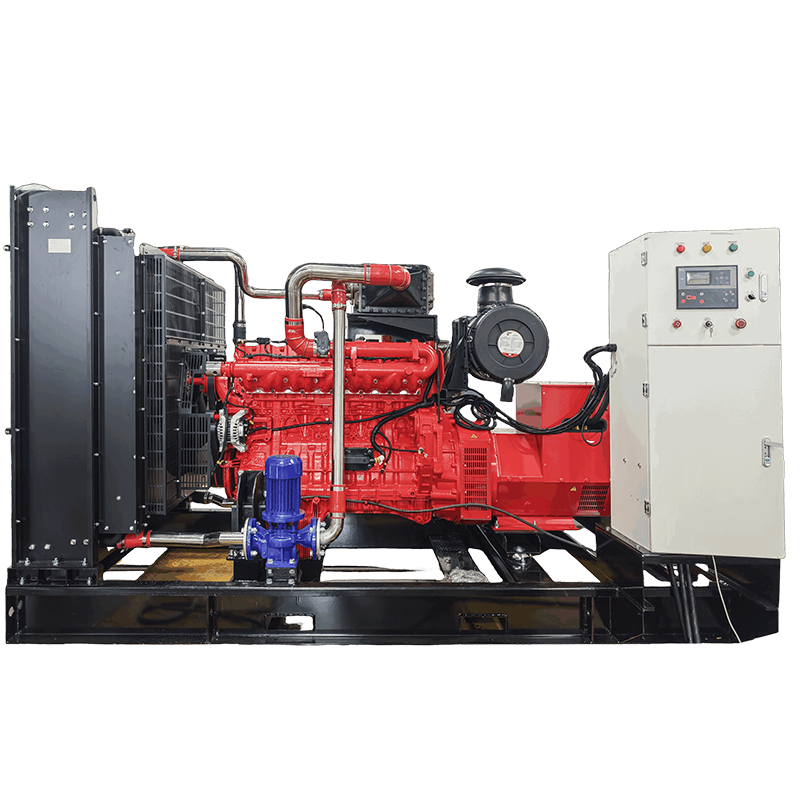
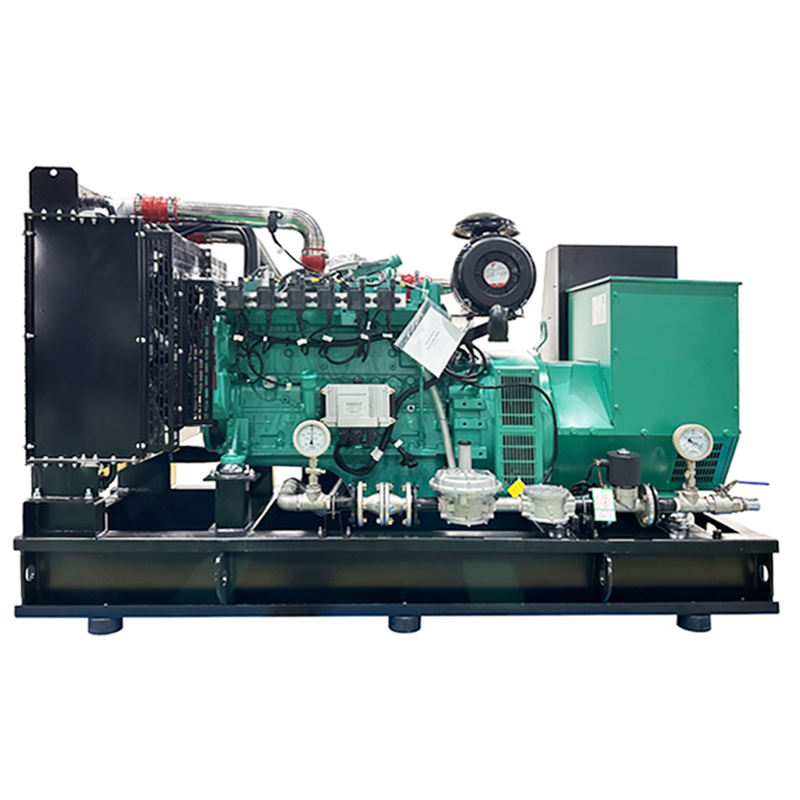
Landfill gas generators are machines that take the gas produced from decaying waste substances in a landfill and convert that gas into electronically and thermally usable products, such as heat and electricity. It is a gas-powered generation system that is able to use the methane, a greenhouse gas, that would otherwise be released into the atmosphere. It is not a gas-powered generator that uses fossil fuels, as it captures and uses a waste-derived fuel source that is fully biodegradable, therefore, it is renewable and is an asset to sustainable waste management. It helps to remove the interdependence that exists between problems of waste and the production of clean power. It is an essential part in the production of carbon-neutral energy.
Technical Strengths of Landfill Gas Generators
Landfill gas generators have a number of technical strengths that make it a reliable and efficient energy solution. These generators have unique systems of combustion that allow them to adjust and manage the varying components of the landfill gas. This ensures stable operations and reliability of the generators. State of the art technologies make it possible to have a consistent power output across different operational loads including base-load power supply to industrial customers and redundant supply to commercial customers. These generators contain corrosion-resistant components that protect the generators from the harsh properties of landfill gas and therefore, greatly increase the equipment serviced lifetime. Additionally, landfill gas generators have smart construction including features such as remote control, automated load control, etc. These allow the generators to function autonomously without the need for a physical operator on site.
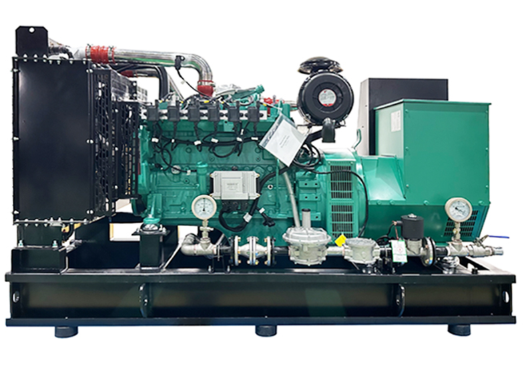
Low-Cost Functioning: Another Economic Advantage
Low-cost functioning is one of the key advantages of landfill gas generators. Landfill gas is their main fuel source, and because it is a byproduct of waste management, fuel procurement expenses like those of diesel and gasoline generators are avoided. Therefore, fuel expenses, which account for most of the ongoing costs of power generation, do not apply. There are also many financial subsidies and feed-in tariffs for renewable energy projects in many areas, which increases the positive net benefit of landfill gas generators. Excellent energy conversion means that a considerable amount of power can be produced from available landfill gas, maximizing the profitability of the generators.
Environmental Value: Emission Cut, Footprint Reduction
Landfill gas generators mitigate global warming and waste management simultaneously. The main component of the gas from landfills, methane, is over 25 times more potent than carbon dioxide as a greenhouse gas. These generators capture and combust methane so it does not get released into the atmosphere, and help mitigate climate change. Moreover, the combustion process of these generators is more environmentally friendly than conventional fossil fuel generators, as it produces less nitrogen oxides, carbon monoxide and particulate matter and meets stringent regulations. The increased use of a renewable fuel derived from waste as opposed to fossil fuels is a step towards a more sustainable and circular energy system, and green fuels attainment.
Different Uses In Different Situati Value
Landfill gas generators hit the sweet spot of true engineering and value. Built by teams specializing in gas power tech and adapting cutting edge innovations to the specific and difficult task of extracting value from landfill gas. Their designs cross approved industry safety standards and such gives ease of mind to gas operators. In the same breath though, the generators have practical applications from cost cutting, saving the environment, and tailored to be usable by users such as small waste facilities and large industries. The rarity of engineering landfill gas generators is the perfect blend of cutting technical ability and practical real world applications for adopting generators and is in line with the growing use of sustainable forms of energy.


 Hot News