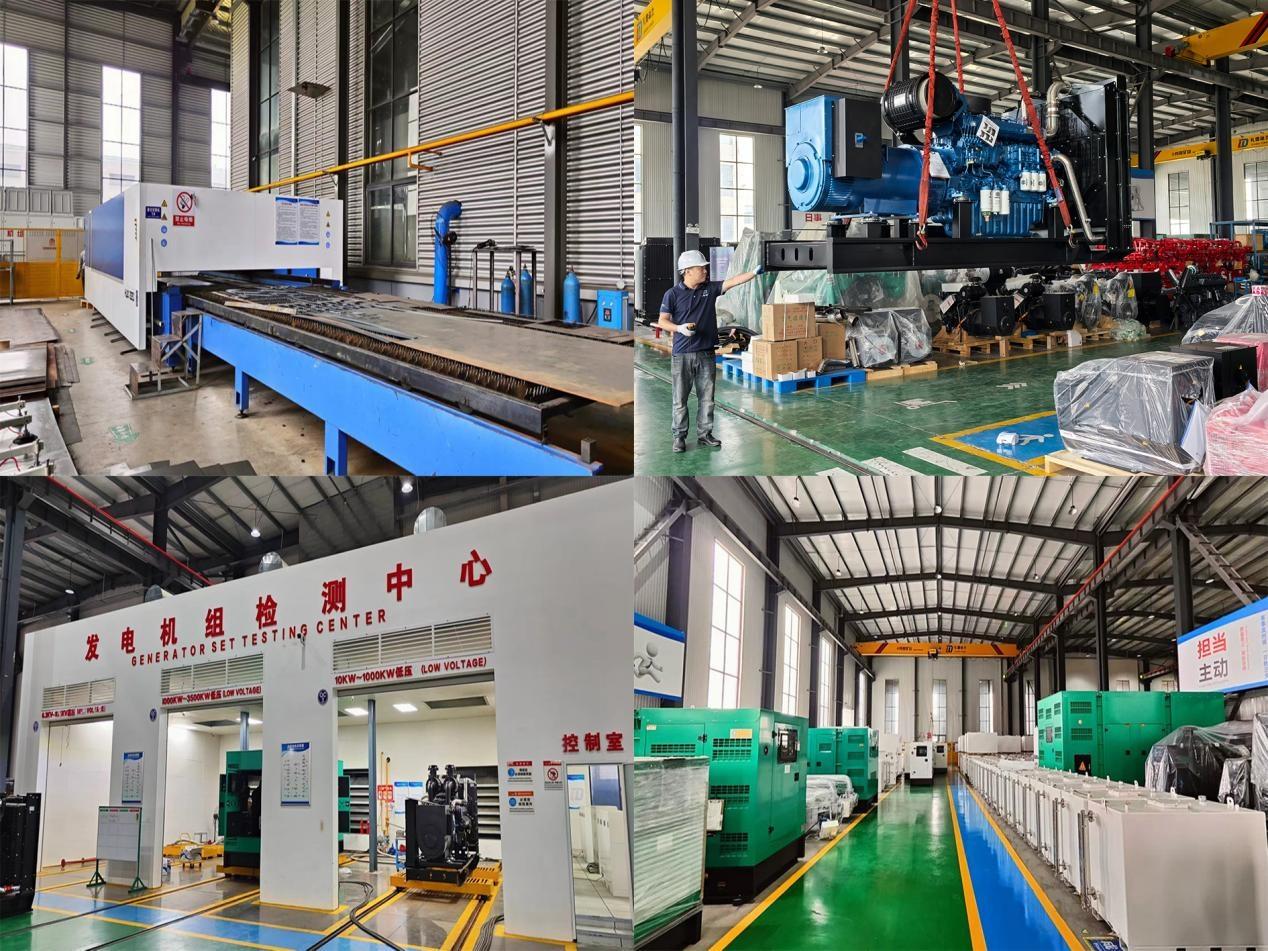
Due to clean combustion and fuel reliability, LPG Gas Generators are widely used as a temporary power supply, for telecom towers, and for disaster response. However, improper LPG gas generator fuel refilling can cause dangerous leaks and fires, which are easy and simple to avoid. The following safety measures can protect the equipment and the personnel. Below are safety measures for refueling.
Prepare for a Safe Refueling.
Always ensure the generator is in the OFF position. Wait for the hot engine to cool for at least 15 minutes first as hot engine parts can ignite stray LPG vapors. Look for signs of damage to the generator's fuel system. Check for cracks in the hoses or for loose/absent connections. LPG is a liquefied gas, therefore, wear proper LPG protective clothing that includes gloves and safety glasses to protect LPG fuel EPS. Fire extinguishers are safe refueling security, and should always be within easy reach as a safe and simple version of safety.
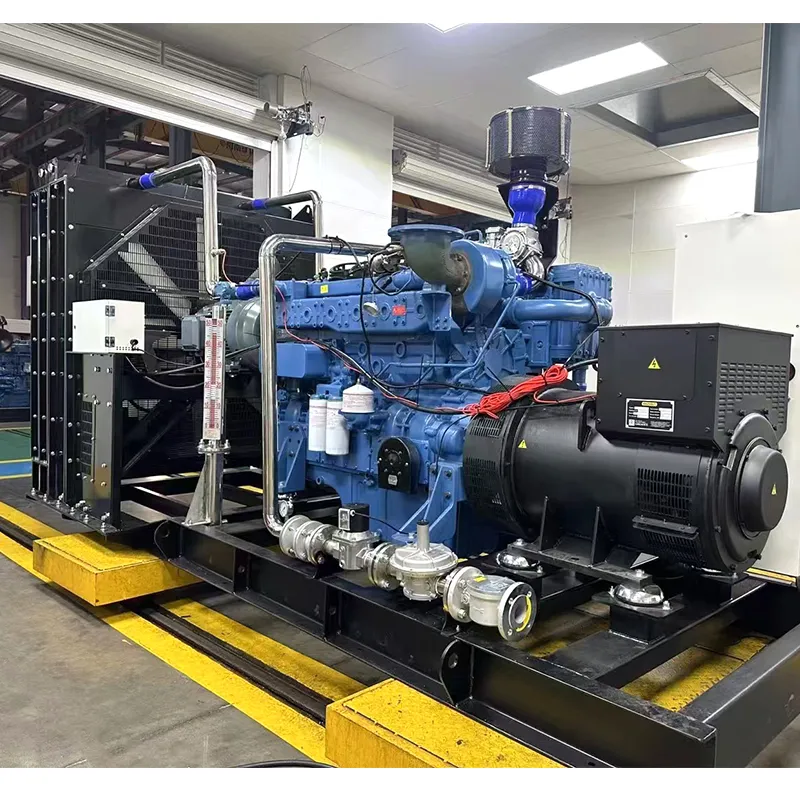
Choose an Outdoor, Well-Ventilated Space to Fill the Generator’s Fuel Tank
While outdoors, find a well-ventilated, easily accessible, and level area away from deadly hazards, such as flames, lighting, and electrical equipment, to fill the generator’s fuel tank. Make sure your chosen area is not a confined space, such as a basement, garage, or a shed. In addition, avoid using a space where people are present, as LPG vapor, which is heavier than air and more dangerous to the closure of your fuel tank, could pose a threat. Finding a well-ventilated, outdoor area that is easily accessible and away from deadly hazards to fill the generator’s fuel tank is vital.
Make Sure to Fill the Generator’s Fuel Tank Correctly
Make sure the LPG tank is in good condition, does not exhibit any obvious damage, does not have any expired containers, and is compatible with the generator. To ensure a safe and leak-free transfer of fuel, be sure to fasten the fuel transfer hose fully to the fuel transfer valve on the generator. Filling tanks needs to be a safe process; to enable a safe transfer of fuel, open the fuel transfer valve at a steady and safe pace to avoid transitory pressure changes that lead to an overflow of more than 80% of thermal components. Once you have completed filling the tank, be sure to fully close the fuel transfer valve and vent the hoses easily.
Post Refueling Checks
Once the fuel hose is detached, LPG should be wiped away. Using a soapy solution, inspect the joints for leaks; leaks will produce a soapy foam. If a leak is found, close the container valve, relocate the generator outdoors, and contact a technician for servicing. Run the generator once you are certain the unit is leak-free. Operational fuel flow should be checked by running the unit for a few minutes.
Safety Rules With Storage and Handling
Correctly storing the LPG containers is as critical as the safety aspects of refueling. LPG containers must be stored upright, in a cool, dry location protected from sunlight and other heat sources. Never leave LPG containers indoors or in the vicinity of living quarters. LPG cylinders must be securely fastened for transport to avoid rolling or damage. For the generator and fuel containers, anticipate damage, inspect frequently, and replace any components showing signs of wear.


 Hot News