Understanding LPG Gas Generator Structure for Lifespan Basics
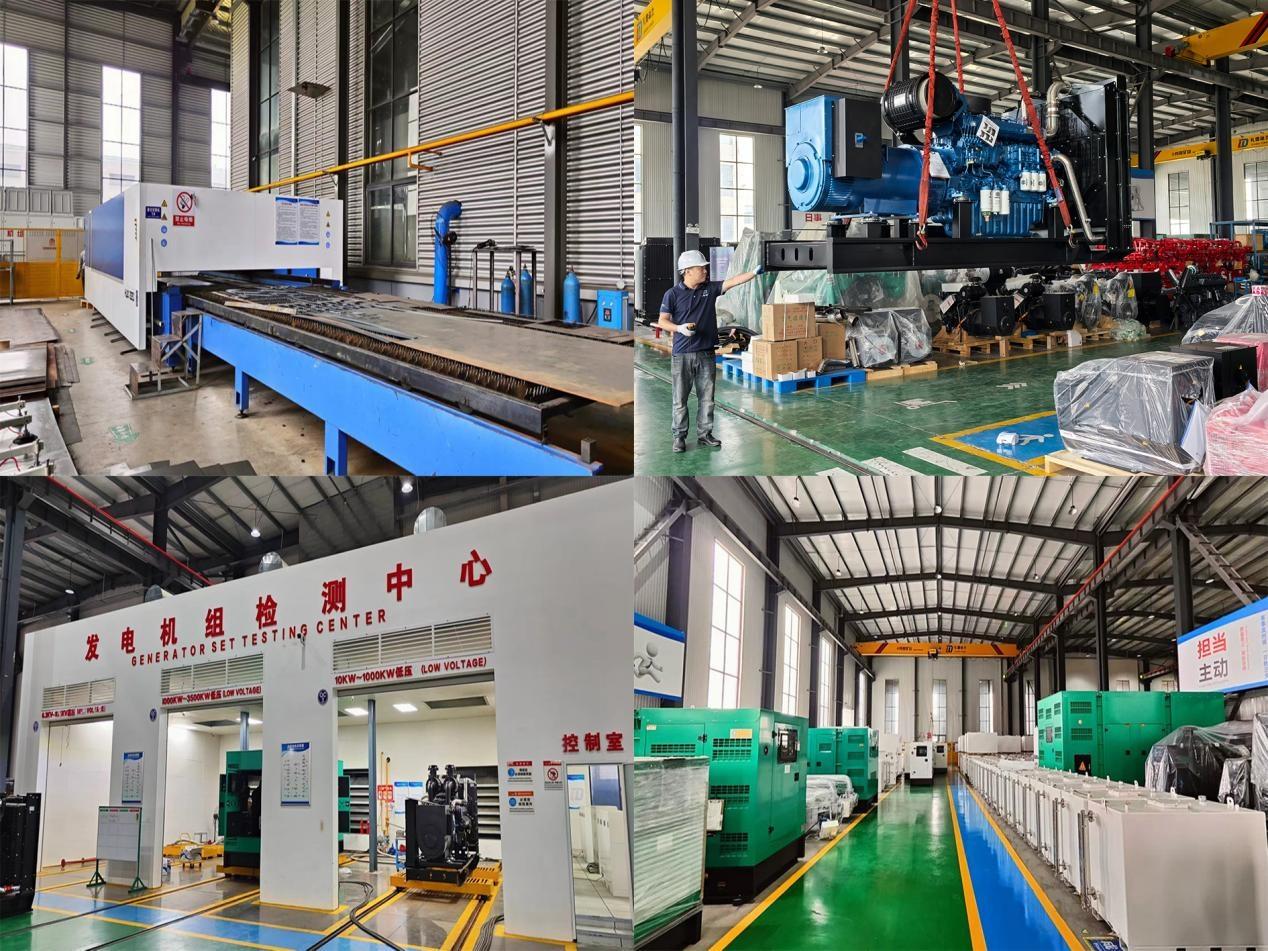
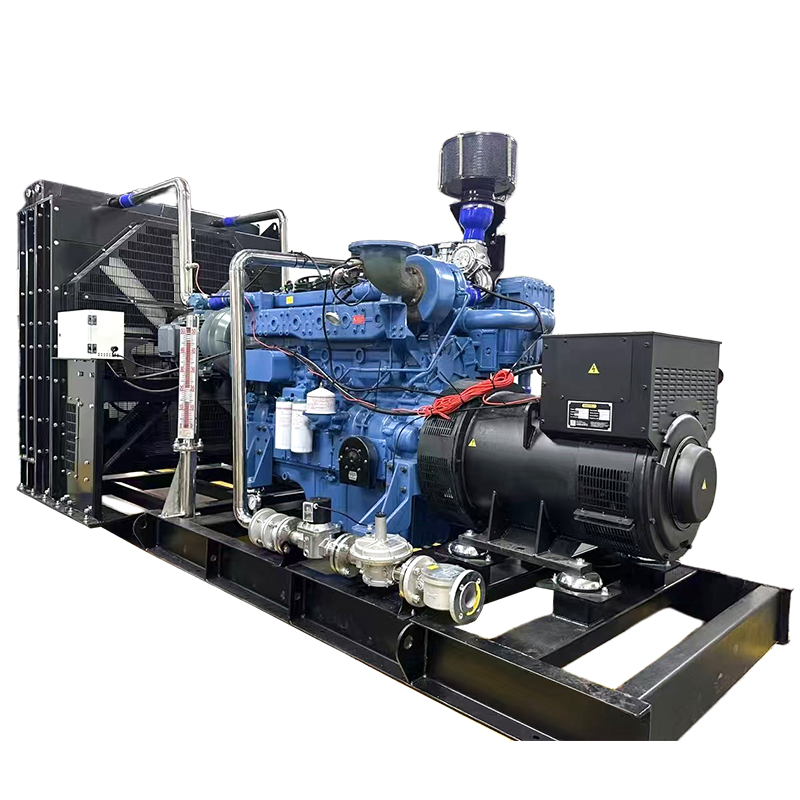
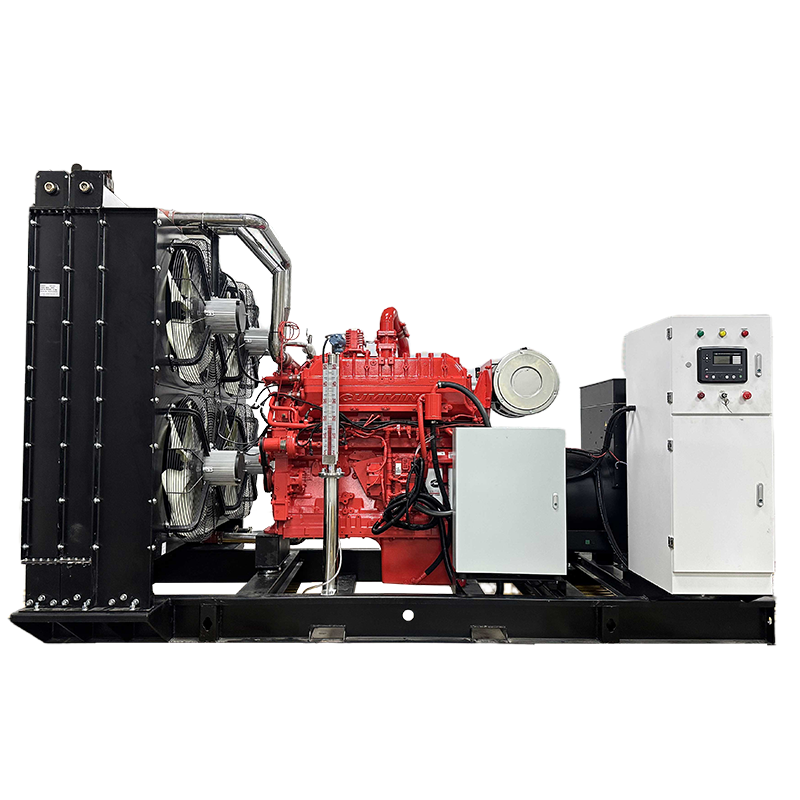
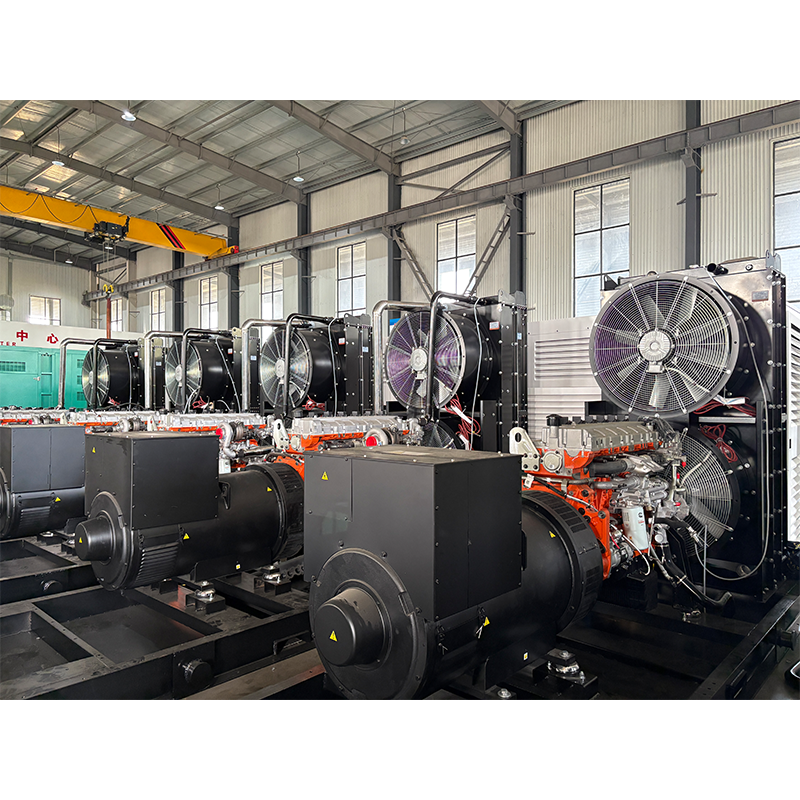
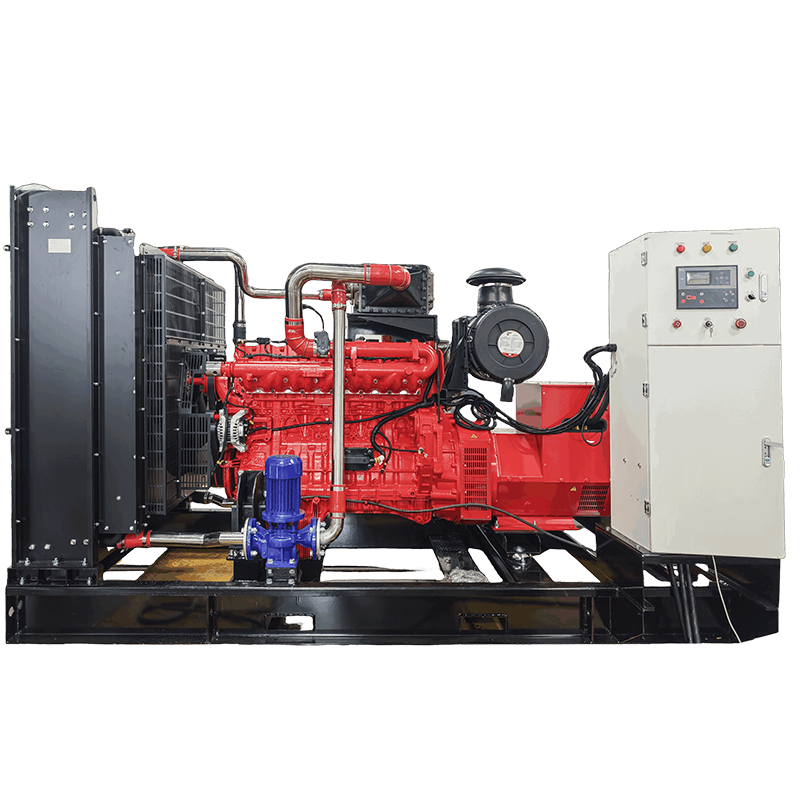
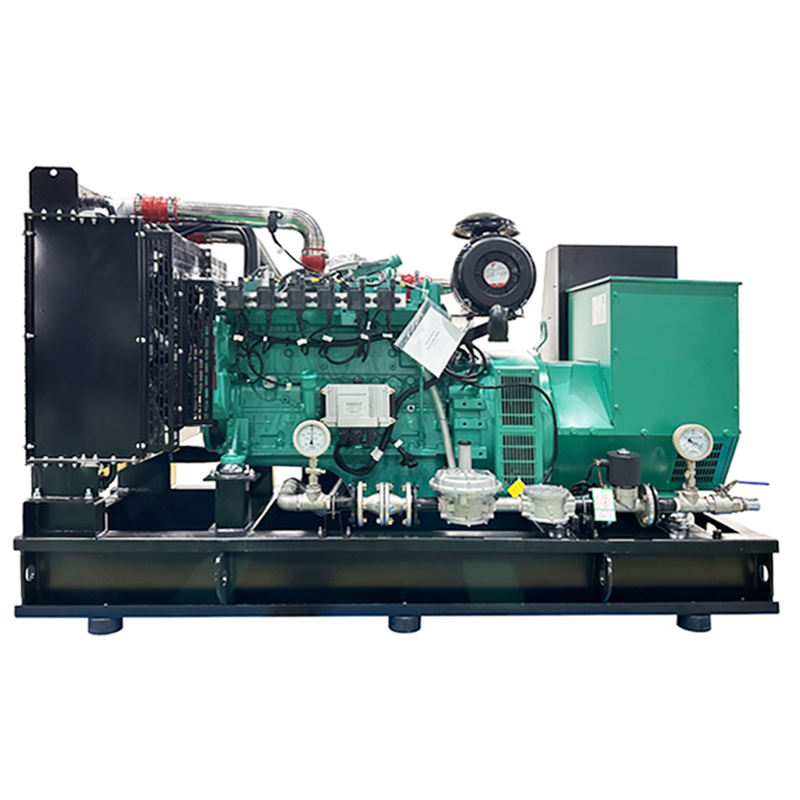
An LPG gas generator’s core structure is built for durability and efficient fuel combustion, with key components including a corrosion-resistant fuel system, precision-engineered engine, smart cooling module and automated control panel—all designed to handle continuous operation in harsh conditions. Having worked with over 8000 partners in the energy sector for more than a decade, we’ve seen that neglecting basic structural care cuts LPG gas generator lifespan by 30% on average. Our LPG generators feature a specialized fuel delivery system with anti-corrosion coatings, a design that addresses the biggest structural wear issue for propane-powered units. Expert mechanical engineers in the energy industry, as cited in global power equipment research, confirm that a generator’s structural integrity directly impacts its service life, and robust component design is the first line of defense against premature failure. For our units, every structural part is factory-tested to ensure compatibility and wear resistance, laying a solid foundation for long-term use. All structural designs are optimized based on ten years of R&D experience in gas generator sets, making each component adapt to different working environments and reduce unnecessary wear during operation.
Mastering Propane Generator Maintenance for Routine Care
Propane generator maintenance isn’t just about fixing issues—it’s about consistent, proactive checks that keep the unit running smoothly. From our on-site service experience, clients who follow a monthly maintenance schedule see their LPG generators operate for 15+ years, while those with irregular care face breakdowns within 5 years. Routine steps include checking spark plugs for wear, inspecting gas lines for leaks, cleaning air filters and testing the ignition system—simple tasks that prevent major malfunctions. Our technical team, with 10+ years of R&D experience in gas power equipment, recommends tailoring maintenance to usage frequency: heavy-duty industrial units need weekly checks, while backup generators require monthly inspections. Energy industry authorities, such as the International Association of Power Equipment Manufacturers, emphasize that routine propane generator maintenance is the single most effective way to extend service life, as it catches small issues before they escalate into costly repairs or permanent damage. We also provide detailed maintenance manuals for each client, marking key check points and operation steps to make daily maintenance more standardized.
Prioritizing Fuel System Care to Avoid Core Damage
Fuel system care is the heart of LPG gas generator lifespan extension, as the fuel system is the lifeline of the entire unit. Our LPG generators feature a custom fuel system with built-in filtration and pressure regulation, but even with this advanced design, proper care is non-negotiable. In one real case, a telecom tower client neglected fuel filter changes for 18 months, leading to fuel contamination that damaged the injector nozzles and reduced generator efficiency by 40%—a problem that could have been avoided with regular fuel system care. Our expert technicians advise replacing fuel filters every 6 months, flushing the fuel line annually and using only high-purity LPG to prevent sediment buildup. According to power equipment engineering experts, 60% of LPG generator failures stem from poor fuel system care, as contaminated fuel or clogged filters cause the engine to work harder and wear out faster. Our corrosion-resistant fuel system design minimizes this risk, but combining it with proactive care ensures the fuel system operates at peak performance for decades. The fuel system of our products is also equipped with real-time monitoring components, which can timely feedback the working state and reduce the probability of failure.
Implementing Preventative Generator Maintenance for Long-Term Reliability
Preventative generator maintenance is a holistic approach that combines routine checks, seasonal servicing and component upgrades—an investment that pays off in extended service life and reduced downtime. Our company’s one-stop service includes a personalized preventative maintenance plan for every client, based on their generator’s application and operating environment. For example, a factory in Dubai using our LPG generator for backup power follows our preventative plan, which includes quarterly load testing, annual engine oil changes and bi-annual cooling system inspections; this unit has run flawlessly for 12 years with no major breakdowns. Energy industry research from leading engineering institutions shows that preventative maintenance increases LPG gas generator lifespan by up to 50% compared to reactive repair-only approaches. Our R&D center, staffed with professional engineers and certified technicians, develops preventative maintenance protocols tailored to our LPG generators’ unique design, ensuring that every check and service targets potential weak points and maximizes long-term reliability. All our generators also come with lifetime after-sales support, so clients have ongoing access to expert guidance for preventative care. We will also conduct regular follow-up visits to clients to adjust the preventative maintenance plan according to the actual operation of the equipment.
Focusing on Cooling System Maintenance to Prevent Overheating Failures
Cooling system maintenance is often overlooked but critical for preserving LPG gas generator lifespan, as overheating is one of the top causes of engine failure. Our LPG generators are equipped with a smart cooling system with automated temperature control, but regular maintenance ensures it functions optimally. From our field experience, over 70% of overheating issues are caused by clogged radiators or low coolant levels—easily fixed with routine checks. Our technical team recommends cleaning the radiator fins monthly to remove dust and debris, checking coolant levels weekly and flushing the cooling system every two years to prevent scale buildup. Power equipment experts from the Global Energy Equipment Association state that a well-maintained cooling system keeps the engine running at the optimal temperature, reducing wear on internal components and preventing thermal damage. Our cooling system design features high-efficiency heat exchange and durable hoses, and when paired with consistent cooling system maintenance, it ensures the generator can handle continuous heavy loads without overheating. This combination of advanced design and proactive care is why our LPG generators maintain reliable performance even in high-temperature, demanding industrial environments. The smart cooling system can also automatically adjust the cooling power according to the engine temperature, further reducing the loss caused by overheating.


 Hot News