Feedstock Management and Anaerobic Digestion Optimization
Feedstock Preconditioning and Hydraulic Retention Time Calibration
Getting the feedstock right matters a lot for anaerobic digesters. When particles are broken down below 10mm and the carbon to nitrogen ratio stays around 25 to 30 parts per one, it stops layers forming inside the digester and keeps microbes working well. Mixing farm waste with animal manure actually creates better teamwork among different microorganisms, which can crank out 25 to 40 percent more methane compared to just using one type of material alone. For most standard digesters running at moderate temperatures, keeping things in there for about 20 to 30 days gives enough time for breakdown while still moving enough material through the system. Hotter digesters operating between 50 and 55 degrees Celsius get similar results but finish faster, cutting processing time by roughly 15 to 25 percent. However these high temperature setups need much stricter temperature management and face bigger problems with ammonia buildup too, something that happens about 18 percent more often than in their cooler counterparts according to Bioenergy Insights from last year.
Real-Time Monitoring of pH, VFA/Alkalinity Ratio, and Organic Loading Rate
Continuous sensor-based monitoring enables early intervention before process failure occurs:
- pH outside 6.8–7.2 disrupts methanogen activity
- A VFA/Alkalinity ratio above 0.3 signals acidification risk
- Organic loading rates exceeding 3 kg VS/m³/day promote volatile fatty acid accumulation
Automated correction systems—triggered by deviations >10% from optimal ranges—inject alkalinity agents in real time, cutting unplanned downtime by 60% in industrial-scale biogas generators.
Thermal Regulation and Process Stability for Consistent Biogas Generator Performance
Getting the temperature just right matters a lot when it comes to how well biogas generators work. Most anaerobic digesters run at what's called mesophilic temperatures around 35 to 40 degrees Celsius, or sometimes higher at about 50 to 60 degrees Celsius which we call thermophilic conditions. The hotter thermophilic setup needs roughly 20 to 40 percent extra heat energy but kills off pathogens much better too – around 30% improvement makes this option really attractive for dealing with farm waste specifically. On the flip side, mesophilic systems tend to be more reliable from a microbial standpoint since they don't require so much energy input. That stability factor often makes these systems the go to choice for factories running non-stop operations where consistency beats everything else.
PID-Controlled Heat Exchanger Tuning and Insulation Integrity Checks
PID controllers keep things stable temperature-wise, holding it within about 1.5 degrees Fahrenheit or 0.8 degrees Celsius. They do this by moving valves around as needed when the feedstock gets too hot or cold. Every three months, folks run thermal imaging checks to spot those bad spots where insulation isn't doing its job right. These problem areas show up as temperature differences over 5 degrees Fahrenheit. Fixing these leaks matters because they can cut down on methane production by anywhere from 8 to 12 percent each year. When thermal systems are properly set up, they stop microbes from getting shocked during feedstock addition and help maintain good quality biogas. The result? Methane content stays pretty solid at around 60 to 65 percent most of the time.
| Thermal Factor |
Impact on Efficiency |
Maintenance Response |
| Temp fluctuation >3°F |
Methane yield drops 4–7% |
Calibrate PID loop weekly |
| Insulation gaps |
Heat loss increases 15% |
Seal gaps with ceramic coatings |
| HX fouling |
Heat transfer efficiency falls 22% |
Acid flush exchangers biannually |
Biogas Generator Engine and Power Conversion System Maintenance
Scheduled Lubrication, Spark Plug Replacement, and EGR Valve Cleaning
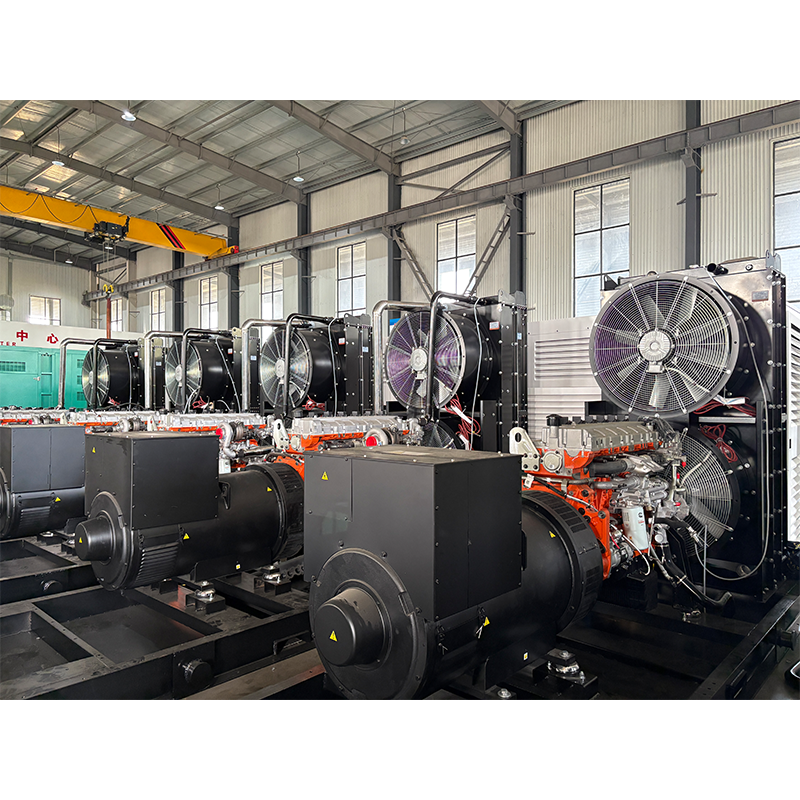
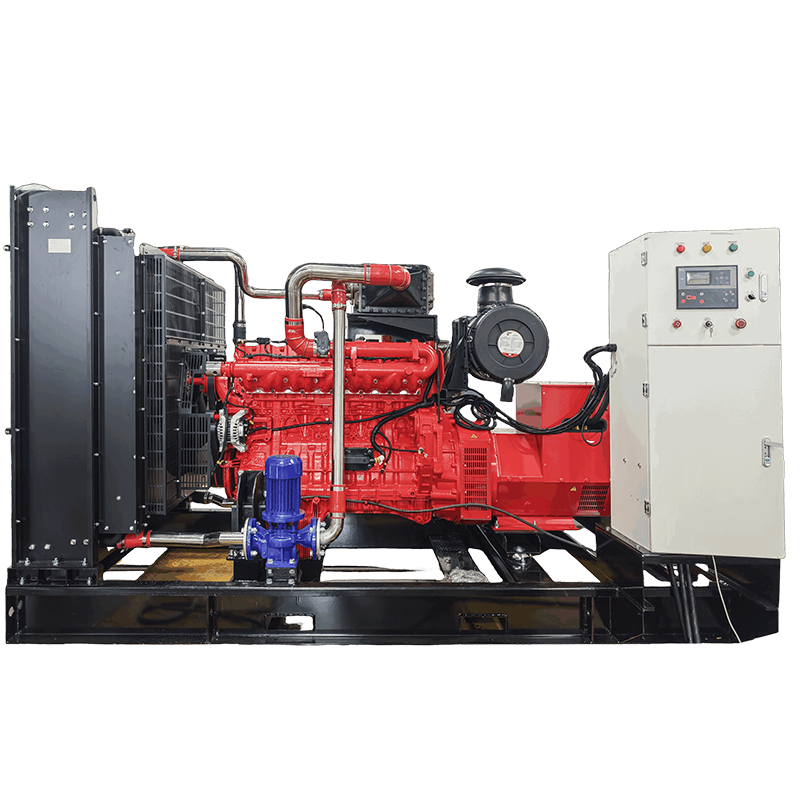
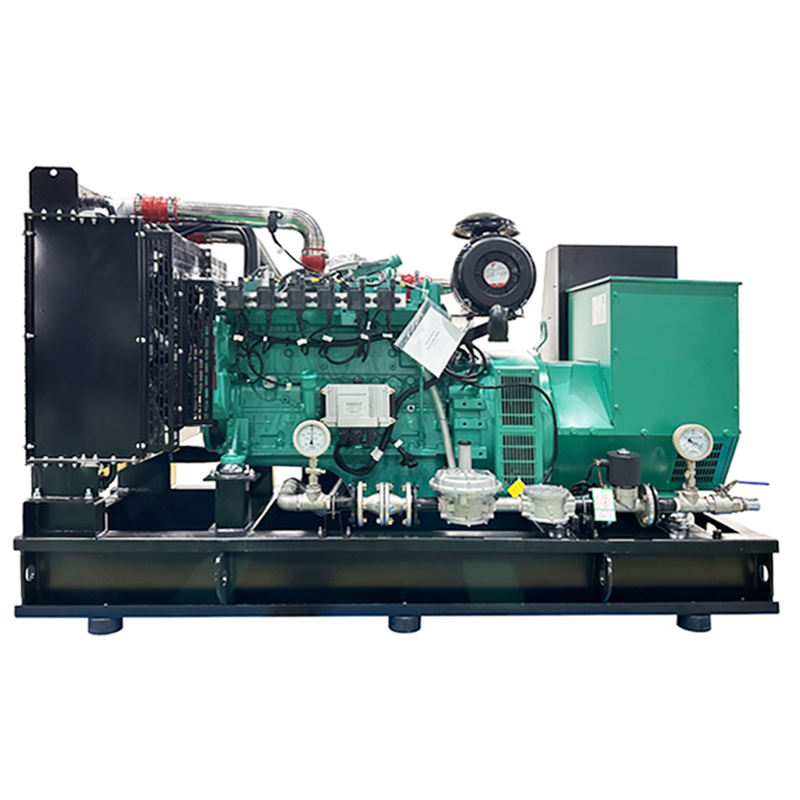
Consistent maintenance of the engine and power conversion system prevents premature wear and costly failures. Key protocols include:
-
Lubrication: Replace oil every 400 operational hours—more frequently than natural gas engines due to biogas impurities like siloxanes and H₂S. Supplement with periodic oil analysis to refine change intervals based on actual contamination levels.
-
Spark Plugs: Inspect monthly for carbon fouling or electrode erosion caused by variable methane concentration; replace immediately if gap exceeds OEM specifications to avoid misfires and incomplete combustion.
-
EGR Valves: Clean quarterly using biogas-compatible solvents to remove hardened carbon deposits. Left unaddressed, clogged valves increase NOₓ emissions and reduce thermal efficiency by up to 12%.
Adhering to this regimen cuts unplanned downtime by 30% and sustains energy conversion efficiency above 92%. Always verify torque specifications during reassembly to ensure leak-free sealing.
Gas Safety Protocols: Leak Detection, H₂S Mitigation, and Alarm Integration
Infrared Imaging, Ultrasonic Scanning, and H₂S-Triggered Alarm Integration
Biogas generators need multiple layers of detection to stay safe. Thermal imaging helps spot those hard to see methane leaks throughout the system by looking for temperature changes in pipes and tanks. At the same time, ultrasonic scanners pick up on the high pitch sounds coming from pressure leaks that people can't hear. When it comes to hydrogen sulfide, or H2S as we call it in the field, there are special chemical sensors that keep an eye on things around the clock. These sensors go off when levels hit 10 parts per million, which happens to be what OSHA considers safe for workers. The alarm systems don't just sound warnings though—they actually connect to automatic shutdown procedures and other safety measures that kick in right away.
- Activate ventilation fans to dilute gas concentrations
- Isolate affected digesters and gas lines
- Alert personnel via visual strobes and SMS notifications
This integrated approach reduces explosion risk and ensures compliance with NFPA 86 standards. Sensors require regular calibration, and full-system integrity checks should be performed quarterly to preserve detection accuracy across all critical infrastructure points.


 Hot News